
English| EUR
Suggested for you
More currencies
Choose a language
Cancun's food costs span a remarkable range—from two-dollar tacos to resort dining that rivals Manhattan prices. The question of expense depends entirely on where and how you eat. This guide breaks down real costs across street stalls, local restaurants, and tourist zones so you can budget accurately.
Quick answer
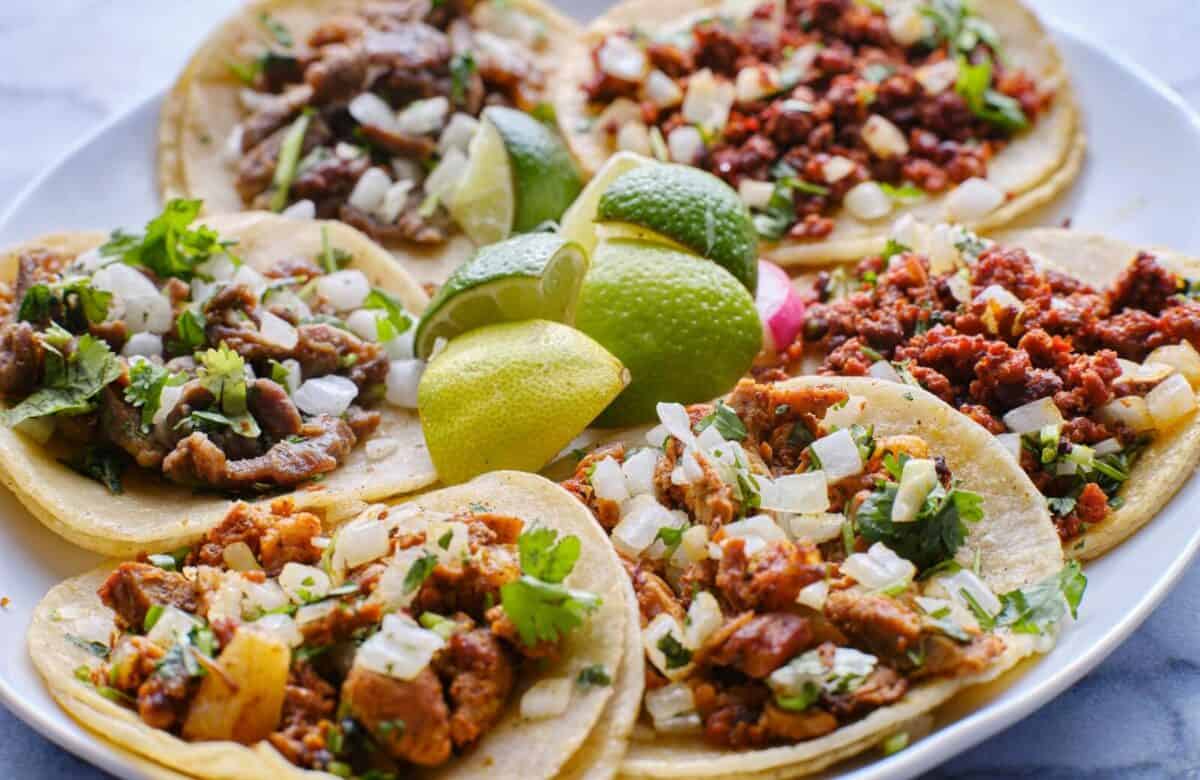
Food costs in Cancun vary dramatically by location and venue type. Street tacos run 20–40 pesos each, local comedores charge 80–150 pesos for full meals, mid-range restaurants cost 200–400 pesos per entrée, and hotel zone establishments often exceed 500 pesos per dish. A traveler eating primarily at local spots can budget 300–500 pesos daily, while resort-focused dining easily reaches 1,500–2,500 pesos per person per day.
The peso-to-dollar exchange rate makes Cancun's local dining scene one of the Caribbean's better values, but geographic divides create parallel food economies within the same city. Downtown Cancun and neighborhoods like Región 95 operate on Mexican pricing—cochinita pibil tortas for 60 pesos, barbacoa plates for 120 pesos, agua fresca included. The Hotel Zone functions on international resort pricing, where a poolside burger costs what three days of street meals would run. Understanding whether is food expensive in Cancun requires mapping the city's culinary geography. Avenida Yaxchilán and the streets radiating from Parque de las Palapas anchor the local dining core, where family-run fondas serve comida corrida—soup, rice, entrée, beans, and tortillas—for under 100 pesos. Mercado 28 vendors plate fresh ceviche tostadas for 50 pesos. Taquería Honorio offers Yucatecan specialties at a fraction of tourist-district rates. These aren't budget compromises; they're where locals eat daily, and where regional ingredients shine without markup. The cost gap widens sharply along Boulevard Kukulcán. Restaurants facing the lagoon or Caribbean charge in dollars or apply exchange rates favoring the house. A margarita that costs 60 pesos downtown jumps to 180 pesos in Zona Hotelera. The same grilled fish—mero, huachinango—quadruples in price between a downtown marisquería and a beachfront palapa. Resort all-inclusive packages mask these disparities but often limit access to Cancun's actual food culture, which lives in the neighborhoods north of the hotel strip. Cancun dining affordability hinges on mobility. Travelers who venture beyond their resort discover that Mexican Caribbean cuisine—recado negro, lima soup, pescado tikin xic—is accessible at neighborhood prices. The R-1 and R-2 bus routes connect the Hotel Zone to downtown for 12 pesos, turning a 400-peso resort breakfast into a 90-peso neighborhood chilaquiles plate. Grocery stores like Chedraui and Soriana offer another cost tier: fresh papaya, bolillo rolls, and Oaxacan cheese for self-catering at a fraction of restaurant rates. The city rewards those who eat where the kitchen staff eats.
“The same grilled fish quadruples in price between a downtown marisquería and a beachfront palapa.”
Food costs in Cancun vary significantly depending on whether you dine in the Hotel Zone or explore local spots in the city center. Budgeting requires distinguishing between tourist-oriented pricing and authentic local establishments.
How to spend less
Verdict: Travelers can expect to spend between 500 MXN per day on a budget and upwards of 2,000 MXN for a more comfortable dining experience.
Dining costs in Cancun vary significantly depending on whether you remain in the Hotel Zone or explore the city center. Seeking out local establishments near the downtown area provides access to authentic flavors at a fraction of the cost found in tourist-heavy districts.
market
A central hub in downtown Cancun featuring numerous stalls selling street food like marquesitas and tacos. It is located a short distance from the office at Av Yaxchilán 51.
market
This traditional market offers fresh produce and affordable local meals away from the hotel zone prices. It is situated in the city center near local residential neighborhoods.
restaurant
Located in the heart of Mercado 28, this spot serves traditional seafood dishes popular with residents. It offers a clear alternative to high-priced tourist menus.
restaurant
A health-focused establishment in the Hotel Zone that offers consistent pricing for breakfast and lunch. It provides a reliable option for those staying within the primary tourism corridor.
Navigate Cancun's dining scene strategically to manage costs while experiencing authentic local flavors.
Seek out municipal markets like Mercado 28 or Mercado 23 where locals eat for lower prices compared to the Hotel Zone. These spots provide access to traditional dishes prepared at standard local rates.
Many restaurants offer a menu del día or lunch special which includes multiple courses at a fraction of dinner pricing. Look for these mid-day deals to enjoy high-quality meals affordably.
Venturing into downtown Cancun brings you to residential neighborhoods where pricing reflects local economic standards rather than tourist premiums. Transit costs are often offset by the significant savings on food and drink.
Numerous establishments offer happy hour specials on both beverages and appetizers during late afternoon windows. Checking social media pages of specific eateries can reveal these recurring promotional times.
Always pay in Mexican Pesos rather than US Dollars to avoid unfavorable exchange rates set by vendors. Using a local ATM or debit card typically secures the most accurate conversion for your dining expenses.
Cancun Food Tours maintains operations daily to assist with inquiries and booking arrangements. The office remains accessible throughout the week to help visitors navigate dining logistics.
Cancun Food Tours operates as a tour provider rather than a fixed physical venue with a general admission fee. Costs for participation are exclusively determined by the specific tour package selected.
Verdict: Individuals pay 0 MXN to access the operator location, while total costs for tours vary based on the specific culinary experience reserved.
Our office is located at Av Yaxchilán 51 in the Centro district of Cancún. The most efficient way to reach us is by taxi or private car, as the central location is well-connected to the main hotel zone and residential areas.
Direct to Av Yaxchilán 51
R1 or R2 line to downtown area
Driving via Av Tulum or Av Bonampak
We recommend arriving during your confirmed tour window as stated in your reservation. Please coordinate with your driver to be dropped off directly at Av Yaxchilán 51 for the easiest access.
Everything you need to know about is food expensive in cancun
Whether is food expensive in cancun depends largely on your choices between tourist-heavy zones and local eateries. While resort dining carries a premium, many authentic spots offer high value for visitors.
Joining a guided tasting experience often provides a fixed price for multiple dishes, which helps manage your budget effectively. This allows you to explore various regional flavors without worrying about fluctuating menu prices.
Visiting local markets is an excellent way to see that not is food expensive in cancun if you know where to look. Street food and market stalls serve traditional cuisine at a fraction of the cost found in hotel zones.
The city center offers numerous dining options that cater to diverse budgets. Exploring areas away from the beachfront frequently results in lower bills and a more genuine taste of local gastronomy.
Many travelers find that when compared to major cities in the United States or Europe, the culinary scene remains quite accessible. The variation in pricing is often dictated by the proximity to beachfront luxury resorts.
To ensure availability, it is recommended to confirm your schedule upon reservation. Tour times vary, so booking ahead secures your spot for a guided exploration of the city's best flavors.
While you might wonder is food expensive in cancun when considering guided tours, these packages typically include all tastings and guidance. This removes the stress of calculating individual meal costs while ensuring a curated culinary journey.